

You find a flight that looks perfect. The time works. The airline is familiar. The fare feels reasonable. Then you click through, add a bag, choose a seat, reach the payment page, and the number is suddenly higher than the price that made you stop scrolling in the first place. That gap is exactly why the phrase "final flight price" matters. For US travelers, it is not just a booking detail. It is the difference between planning a trip with confidence and realizing too late that the cheap fare was only cheap before the extras showed up. The simplest definition: a final flight price should be the total amount you can expect to pay for the flight before you commit, including mandatory taxes and fees, plus any optional extras you choose. The catch is that not every travel site or airline presents the full cost in the same way. Some costs are built into the displayed fare. Others appear only after you select bags, seats, flexibility, insurance, or support options.
What Does "Final Flight Price" Really Mean? A Traveler’s Guide to Hidden Fees
What Does "Final Flight Price" Really Mean? A Traveler’s Guide to Hidden Fees
Key Takeaways
Final flight price means the real total you pay before booking, not just the advertised or base fare. Mandatory taxes and carrier-imposed charges should be included in advertised airfare, but optional extras like checked bags, seat selection, priority boarding, and insurance may appear later. Hidden fees are frustrating because they make price comparison harder. A flight that looks cheaper at first can become more expensive once the trip is built around your real needs. Before booking, check the total for all travelers, baggage rules, seat costs, change/cancel terms, service fees, and what kind of support you get if the trip is disrupted. Triwize fits this problem naturally: clearer upfront pricing, fare alerts, human travel support, and help when plans change.
Why This Matters Now
Clearer travel pricing is not happening in a vacuum. Travelers book more online, airlines earn more from add-ons, and regulators are watching for surprise fees.
- →The U.S. Bureau of Transportation Statistics reported that scheduled U.S. passenger airlines recorded $7.4 billion in baggage fee revenue and $1.1 billion in reservation change fee revenue in 2025.
- →IdeaWorksCompany and CarTrawler estimated global airline ancillary revenue at $148.4 billion for 2024, up from $117.9 billion in 2023.
- →IATA's 2024 passenger survey found that 71% of travelers book online or through a mobile app, while 25% named getting the best ticket price as a priority when choosing an airport.
- →PhocusWire, citing Phocuswright research, reported that U.S. online travel agencies reached $108.5 billion in gross bookings in 2024, up 4% from 2023 and 85% above 2019 levels.
- →The U.S. Department of Transportation said its 2024 ancillary-fee transparency rule was designed to protect travelers from surprise fees by requiring airlines and ticket agents to disclose key fees upfront, including first and second checked bag, carry-on, cancellation, and change fees.
What "Final Flight Price" Really Means

A final flight price is the total cost of the flight transaction before you press pay. It should answer one simple question: "What will this trip cost me for the way I actually plan to travel?" That last part matters. A solo traveler with a backpack and no seat preference may pay one total. A family checking bags and wanting to sit together may see a very different total on the same route. Both travelers saw the same flight. They did not see the same finished cost. So when comparing prices, separate the fare from the trip you are actually buying. The first is the airline seat. The second is the full booking experience around that seat: bags, seating, flexibility, help, and protection against disruption.
Why the First Price Often Does Not Feel Like the Final Price

The problem is not always that a price is illegal or fake. Often, the issue is timing. A traveler sees one price early and discovers the rest of the cost later. That is what makes the process feel unfair. A flight search result may show the mandatory fare, but the traveler still has practical questions that affect the real cost: Can I bring a bag? Can I sit with my child? What happens if the meeting moves? Will I get help if the airline cancels or delays the flight? This is why hidden flight fees feel bigger than the dollar amount. They interrupt planning. They make budget decisions harder. They also make comparison shopping messy because two fares that look similar may include very different things.
- →A $189 fare with no carry-on and paid seats may be worse than a $225 fare that includes what you need.
- →A cheaper outbound flight may become expensive if the return flight has stricter baggage rules.
- →A family trip can change quickly when seat selection is paid per person per flight segment.
- →A low fare can lose its value if the booking path makes support difficult during a cancellation or delay.
How Late-Stage Fees Affect Travel Budgeting

Travel budgets are built around trust. If you are planning a weekend trip, visiting family, attending a wedding, or flying for work, the flight is usually only one piece of the total cost. Hotels, local transport, meals, parking, childcare, pet boarding, and missed work time may all sit around that one airfare decision. When a flight price grows at checkout, the money has to come from somewhere. Maybe you downgrade the hotel. Maybe you skip a checked bag and hope the carry-on works. Maybe you accept a worse connection. None of that feels like smart travel planning. It feels like reacting to a number that changed too late.
What US Travelers Should Look For Before Booking

Before you book, slow down for two minutes and check the items below. It is not glamorous, but it can save you from the most common checkout surprises.
A Simple Way to Compare Flight Prices

Use a personal "real trip price" method. Before deciding that one fare is cheaper, add the extras you actually need.
- →Start with the displayed flight price.
- →Add carry-on or checked bag costs for every traveler.
- →Add seat selection only if you truly need it.
- →Add booking or support fees, if any.
- →Consider flexibility costs: refundability, changes, cancellation rules, and customer support.
- →Compare the final totals, not just the search-result fares.
This keeps the decision practical. You are not chasing the lowest number on the screen. You are choosing the best booking for the trip you are actually taking.
Why Transparent Pricing Builds Trust

Transparent pricing does not mean every flight becomes cheap. It means travelers can see the trade-off clearly. If a fare is lower because it excludes bags, that is fine as long as the traveler understands it early. If a seat costs extra, show it before the traveler has mentally committed to the fare. Trust grows when the booking path respects the traveler's time. It also grows when the platform does not make people feel like they need to decode the fine print to avoid being surprised.
Where Triwize Fits In
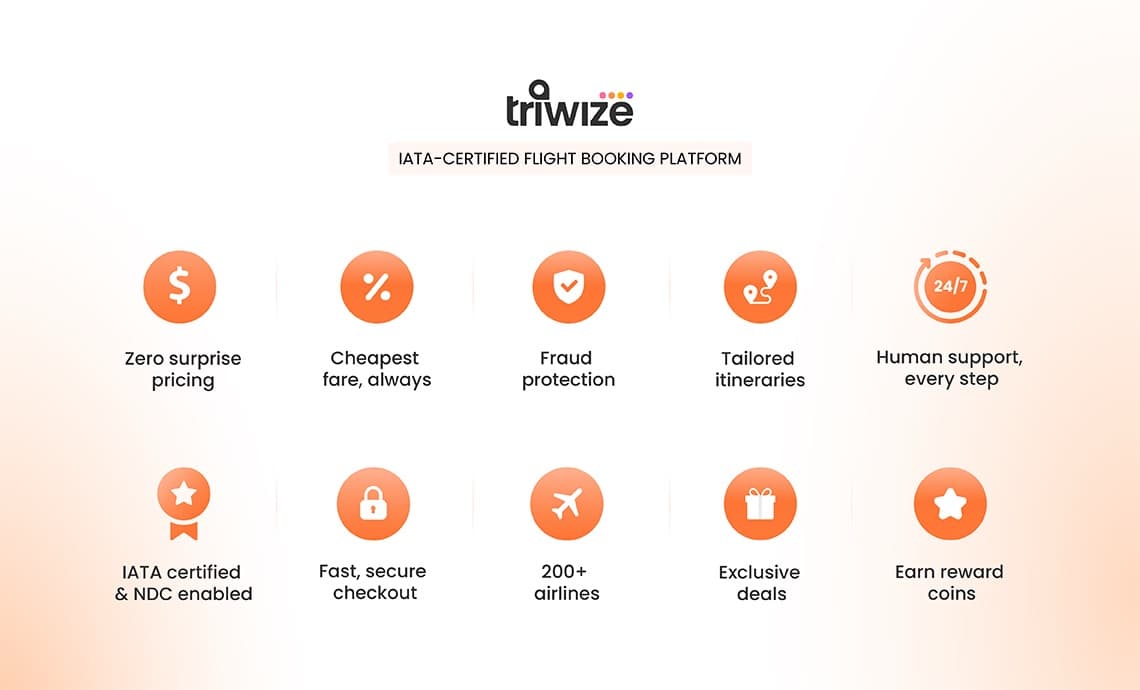
Triwize is built around a simple belief: the first price should be much closer to the final price. For US travelers, that means clearer upfront fare information, fewer confusing checkout moments, and access to real human support when a booking needs attention. That does not mean every airline fee disappears. Airlines still set baggage rules, seat policies, and fare conditions. The point is to make those costs easier to understand before they become a problem. Triwize also supports smarter booking through fare alerts and disruption help. That matters because price clarity is only one part of travel confidence. A traveler also wants to know what happens if the flight changes, the fare moves, or the trip does not go as planned.
Triwize helps travelers look beyond the first fare and focus on the complete booking: clearer upfront pricing, fare alerts, human travel support, and help during disruptions.
How to Avoid Hidden Flight Fees
- →Do not compare flights until you have checked baggage and seat costs.
- →Avoid assuming "basic economy" means the same thing across airlines.
- →Check whether the fare includes a carry-on bag or only a personal item.
- →Review the final payment screen before entering card details.
- →Look for a booking option that gives you a clear support path if the flight changes.
- →Use fare alerts when your dates are flexible, so you do not rush into a booking because of a temporary price spike.
Conclusion: The Best Fare Is the One You Understand
A final flight price should not feel like a reveal at the end of the booking process. It should feel like a clear answer to a basic question: "What am I paying, and what am I getting for it?" For travelers, that clarity is powerful. It helps families budget. It helps business travelers plan. It helps occasional flyers avoid feeling outmatched by fare rules and add-ons. And it helps everyone compare flights based on real value, not just the lowest number in search results. When you are ready to book your next trip, Triwize can help you look for clearer upfront pricing, useful fare alerts, human support, and help when travel plans get disrupted. Because the first price should not be the start of a guessing game. It should be the start of a better trip.
Frequently Asked Questions
What does final flight price mean?
Final flight price means the total amount you pay before booking a flight. It should include the advertised airfare, mandatory taxes, government fees, carrier-imposed charges, and any optional extras you choose, such as bags, seats, or support services.
Why does my flight price increase at checkout?
Are baggage fees included in the final flight price?
How can I avoid hidden flight fees?
Is booking directly with an airline always cheaper?
How does Triwize help travelers see clearer pricing?
Frequently Asked Questions
What does final flight price mean?
Final flight price means the total amount you pay before booking a flight. It should include the advertised airfare, mandatory taxes, government fees, carrier-imposed charges, and any optional extras you choose, such as bags, seats, or support services.
Why does my flight price increase at checkout?
Are baggage fees included in the final flight price?
How can I avoid hidden flight fees?
Is booking directly with an airline always cheaper?
How does Triwize help travelers see clearer pricing?